-
 Workshop | Immunotherapy with Chimeric Regulatory T Cells (CAR-Tregs)BIRMINGHAM, UK AUGUST 21, 2023
Workshop Title:
Immunotherapy with Chimeric Regulatory T Cells (CAR-Tregs)
Date:
August 21st, 2023 (GMT+1)
Organizer:
University of Birmingham
Keywords:
- CAR Tregs
- Immunotherapy
- Cellular therapy
- Regulatory T cells
- Immune regulation
- Autoimmune diseases
- Chimeric Antigen Receptor
- Alloimmune reactions
- Genetic modification
- Immune tolerance
- Collaboration opportunities
Workshop Chair:
Personal Bio:
Dr. Maher Nawaf is a highly accomplished immunologist with extensive expertise in the field of immunology, designing and implementing immune assays to answer complex questions in support of research and development of drug discovery. With a strong academic and industrial background and a passion for advancing our understanding of the immune system, Maher has made significant contributions to the field through their research, publications, and clinical work.
Maher obtained his PhD in Immunology from University of Birmingham (UoB), UK and completed two postdoctoral training at Institute of Biomedical Research, UoB, UK. He has since held prominent positions in renowned academic institutions, research centers and companies, where he have led groundbreaking studies in the areas of immunology. Maher is fellow of the UK Higher Education Academy and member of the British Society of Immunology.
Maher has actively collaborated with academics, industrial scientists, and clinical teams to develop novel immunotherapeutic strategies. He has delivered numerous presentations at international conferences, published extensively in prestigious scientific journals, and supervised and mentored aspiring immunologists, contributing to the next generation of researchers and clinicians.
Workshop Description:
Background:
Immunotherapy has emerged as a groundbreaking approach in the treatment of various diseases, particularly cancer. Chimeric Antigen Receptor (CAR) T cell therapy has revolutionized the field, demonstrating remarkable success in eliminating tumors and providing long-term remission for patients with hematologic malignancies. CAR T cells are engineered immune cells that express synthetic receptors targeting specific antigens on cancer cells, allowing for precise recognition and destruction of malignant cells.
While CAR T cell therapy has shown unprecedented efficacy in cancer treatment, its application is not limited to oncology. Researchers have recognized the potential of regulatory T cells (Tregs) as a powerful tool to modulate immune responses and maintain immune homeostasis. Tregs are a subset of T cells that play a crucial role in suppressing immune reactions to self-antigens and preventing autoimmune diseases. They act as immunological gatekeepers, maintaining immune tolerance and preventing excessive immune activation.
Combining the principles of CAR T cell engineering with the regulatory functions of Tregs has led to the development of CAR Tregs, a novel approach in immunotherapy. CAR Tregs hold great promise in the treatment of autoimmune diseases, such as rheumatoid arthritis, multiple sclerosis, and type 1 diabetes, where dysregulated immune responses contribute to tissue damage. Additionally, CAR Tregs may have applications in mitigating alloimmune reactions, such as graft-versus-host disease (GVHD) in organ transplantation.
The field of CAR Treg immunotherapy is still in its early stages, with ongoing preclinical and early clinical studies. Researchers are exploring various strategies to optimize the design, function, and persistence of CAR Tregs, aiming to enhance their therapeutic potential. Furthermore, challenges related to safety, specificity, and long-term efficacy need to be addressed to ensure the clinical translation of CAR Treg therapy.
Given the immense potential of CAR Tregs in modulating immune responses and treating autoimmune diseases, it is essential to bring together experts, researchers, and clinicians to exchange knowledge and foster collaborations. The proposed workshop aims to provide a comprehensive overview of CAR Tregs, covering their biology, engineering techniques, therapeutic applications, and future directions. By delving into this exciting field, we hope to accelerate the development and translation of CAR Treg-based immunotherapies for the benefit of patients worldwide.
Goal/Rationale:
The primary goal of the proposed workshop on CAR regulatory T cells (Tregs) is to facilitate a comprehensive understanding of this emerging field and foster collaborations among researchers, clinicians, and students interested in immunology and cellular therapy. The workshop aims to achieve the following objectives:
1. Knowledge Dissemination: The workshop seeks to provide participants with a solid foundation in CAR Treg biology, highlighting their unique features and functions. Through expert-led presentations, participants will gain insights into the principles of CAR T cell therapy, the role of Tregs in immune regulation, and the potential of combining these two fields. By disseminating the latest research findings, the workshop will expand the understanding of CAR Tregs and their therapeutic applications.
2. Skill Development: The workshop will offer practical sessions and demonstrations to enhance participants' skills in the engineering and optimization of CAR Tregs. Participants will learn about the design considerations, genetic modification techniques, and methods to enhance CAR expression and function in Tregs. These hands-on sessions will empower participants to apply these techniques in their own research and contribute to the advancement of CAR Treg immunotherapy.
3. Collaborative Opportunities: The workshop aims to create a platform for interdisciplinary collaborations and knowledge sharing. Through panel discussions, interactive sessions, and networking opportunities, participants will have the chance to engage with experts in the field and exchange ideas. The workshop will encourage participants to initiate collaborations, fostering new research projects and potential clinical applications of CAR Tregs.
4. Future Directions: By discussing the challenges and future directions of CAR Treg research, the workshop aims to shape the future of this field. Participants will have the opportunity to identify key research gaps, propose novel strategies, and explore innovative approaches to overcome current limitations. The workshop will serve as a catalyst for innovative ideas and foster a forward-thinking mindset among participants.
Overall, the goal of the workshop is to equip participants with the knowledge, skills, and collaborative networks necessary to advance CAR Treg research and translate it into effective immunotherapeutic interventions for autoimmune diseases and alloimmune reactions. By bringing together experts and fostering interdisciplinary interactions, the workshop will contribute to the progress of CAR Treg immunotherapy and its potential to revolutionize the field of immunology.
Scope and Information for Participants:
The workshop on CAR regulatory T cells (Tregs) will provide participants with a comprehensive understanding of this emerging field, focusing on the biology, engineering, and therapeutic applications of CAR Tregs. The workshop will cover the following key areas:
1. Biology of CAR Tregs: Participants will gain insights into the fundamental aspects of Treg biology, including their role in immune regulation, mechanisms of immune tolerance, and immunological checkpoints. The workshop will explore the unique features of Tregs and their potential in modulating immune responses.
2. CAR T Cell Engineering: Participants will learn about the principles and techniques involved in engineering CAR Tregs. The workshop will delve into genetic modification strategies, optimization of CAR expression, and functional enhancement of CAR Tregs. Practical demonstrations will enable participants to acquire skills in designing and modifying CAR Tregs.
3. Therapeutic Applications: The workshop will highlight the potential applications of CAR Tregs in the treatment of autoimmune diseases and alloimmune reactions. Participants will explore preclinical and clinical studies, discussing the efficacy, safety, and challenges associated with CAR Treg immunotherapy.
4. Future Directions and Collaboration: The workshop will provide a platform for participants to engage in panel discussions, interactive sessions, and networking opportunities. Participants will have the opportunity to discuss the future directions of CAR Treg research, identify potential collaborations, and share their own research findings through abstract presentations.
Participants are expected to have a basic understanding of T cell biology and immunotherapy. The workshop is designed for researchers, clinicians, and students with a keen interest in immunology, cellular therapy, or related fields. By attending the workshop, participants will gain comprehensive knowledge, practical skills, and collaborative networks that can contribute to their own research and the advancement of CAR Treg immunotherapy.
Highlights:
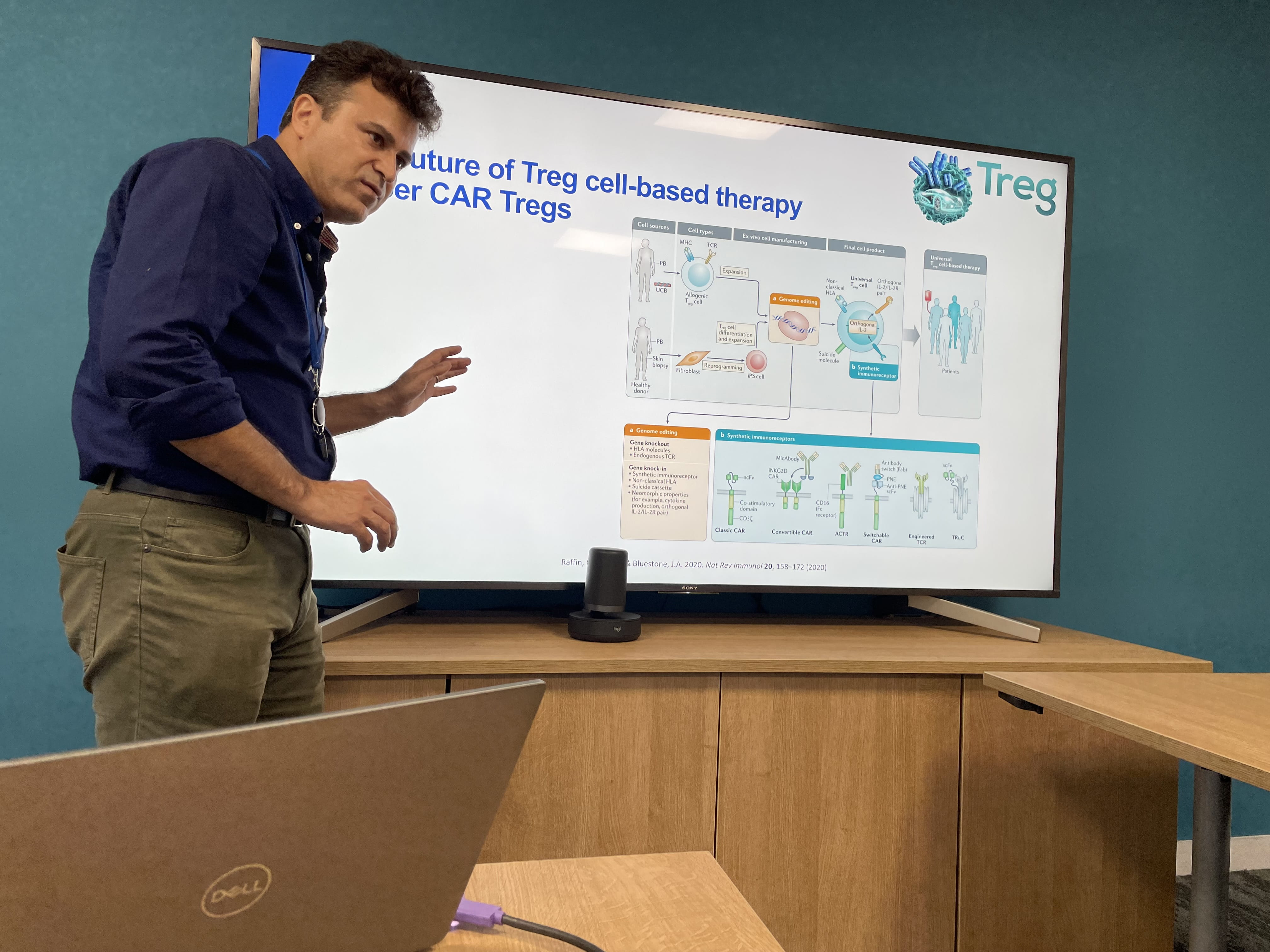
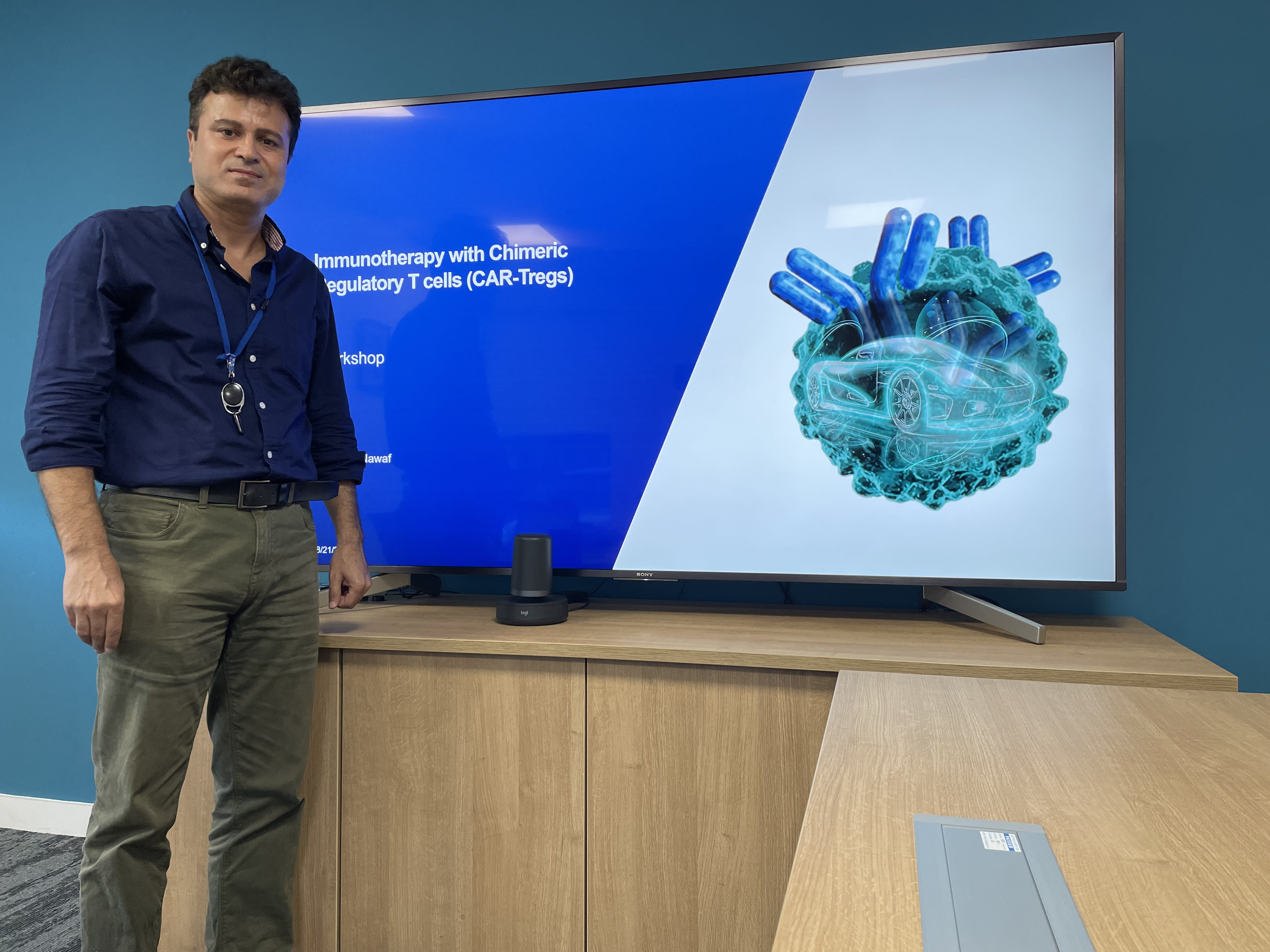
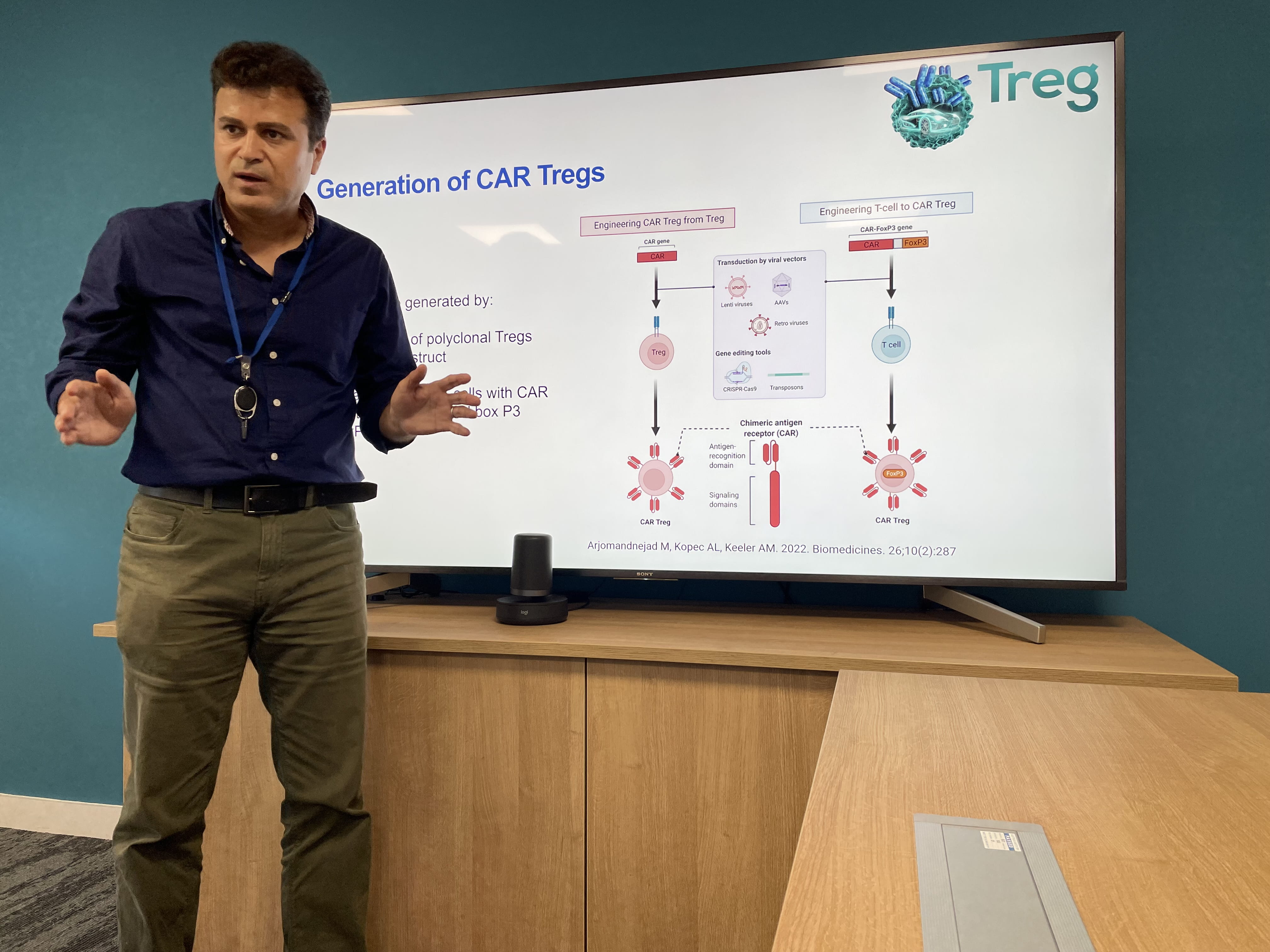
The workshop on CAR regulatory T cells (Tregs) in immunology aimed to provide participants with a comprehensive overview of this emerging field, focusing on the biology, engineering, and therapeutic potential of CAR Tregs. Through presentations, interactive discussions, and practical demonstrations, the workshop has equipped participants with the knowledge, skills, and collaborative networks necessary to contribute to the advancement of CAR Treg research and its translation into effective immunotherapeutic interventions.
The workshop covered essential topics, including the biology of Tregs, the principles of CAR T cell therapy, and the unique features of CAR Tregs in modulating immune responses. Participants gained insights into the design considerations and genetic modification techniques involved in engineering CAR Tregs, with practical sessions allowed for hands-on skill development.
Moreover, the workshop explored the potential applications of CAR Tregs in treating autoimmune diseases and alloimmune reactions, providing participants with a broader understanding of the therapeutic landscape. At the end, panel discussions and interactive sessions stimulated discussions on the challenges and future directions in the field, encouraging participants to propose innovative strategies and identify collaborative opportunities.
Overall, the workshop fostered knowledge dissemination, skills development, and collaboration among participants, aiming to accelerate the progress of CAR Treg research and its clinical translation. By the end of the workshop, participants well-equipped to contribute to the field and leverage the potential of CAR Tregs to revolutionize immunology and cellular therapy.
Access to Workshop:
ICBioMed 2023 Workshop -- Birmingham - YouTube
Venue:
Edgbaston, Birmingham, B15, 2TT, United Kingdom

VISA:
Welcome to GOV.UK (www.gov.uk)
In order to ensure the information is correct and up to date, there may be changes which we are not aware of. And different countries have different rules for the visa application. It is always a good idea to check the latest regulations in your country. This page just gives some general information of the visa application.
UK Visa Information
What you need to do
- Check if what you plan to do in the UK is allowed as a Standard Visitor.
- Check you meet the eligibility requirements.
- Check if you need to apply for a visa to visit the UK.
- Apply for a Standard Visitor visa online - if you need one.
Check you meet the eligibility requirements
You must have a passport or travel document to enter the UK. It should be valid for the whole of your stay.
You must be able to show that:
- you'll leave the UK at the end of your visit
- you're able to support yourself and your dependants during your trip (or have funding from someone else to support you)
- you're able to pay for your return or onward journey (or have funding from someone else to pay for the journey)
- you'll not live in the UK for extended periods through frequent or successive visits, or make the UK your main home
Check if you need a visa to visit the UK
Depending on your nationality, you'll either:
- have to apply for a Standard Visitor visa before you travel to the UK
- be able to visit the UK for up to 6 months without needing a visa
You can check if you need a visa before you apply.
If you do not need a visa, you must still meet the Standard Visitor eligibility requirements to visit the UK. You may be asked questions at the UK border about your eligibility and the activities you plan to do.